When people hear the phrase helpful content, they often think it's just another SEO buzzword.
It isn't. Helpful content is one of the biggest reasons some businesses continue attracting free traffic from Google while others struggle to get noticed.
To show what I mean, let's look at a real example from a local, independently owned Farmers Insurance agency.
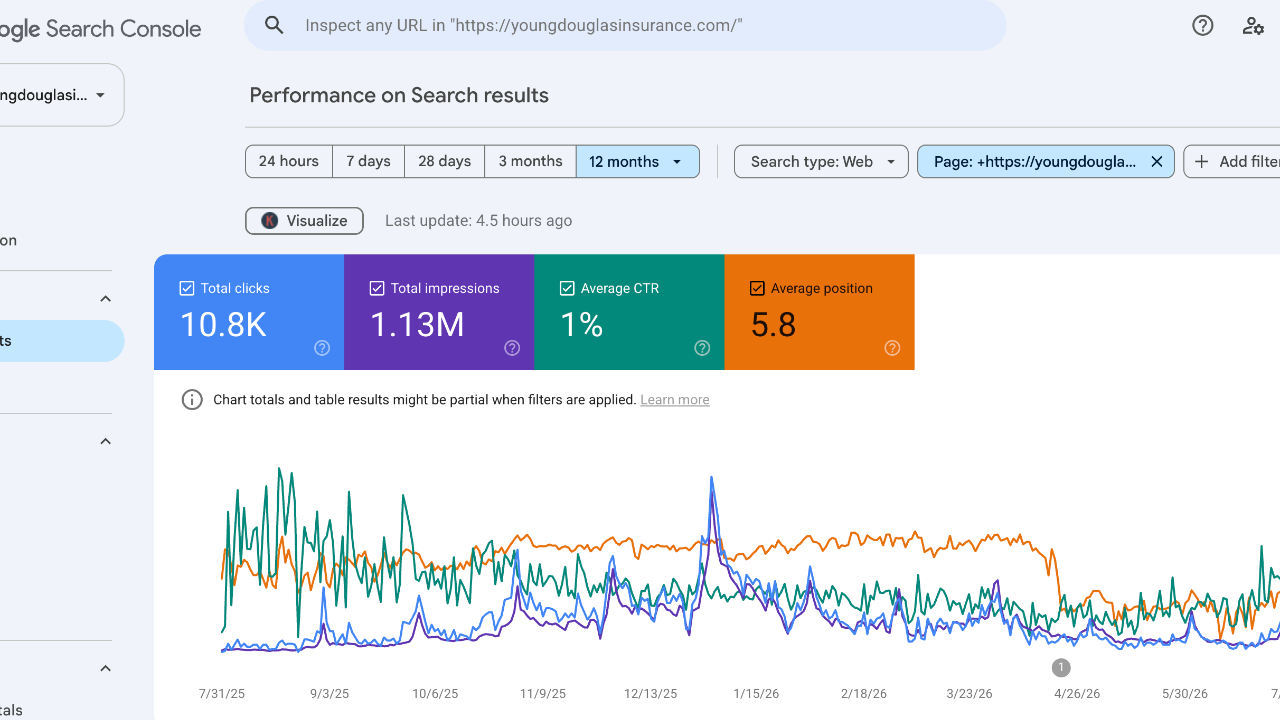
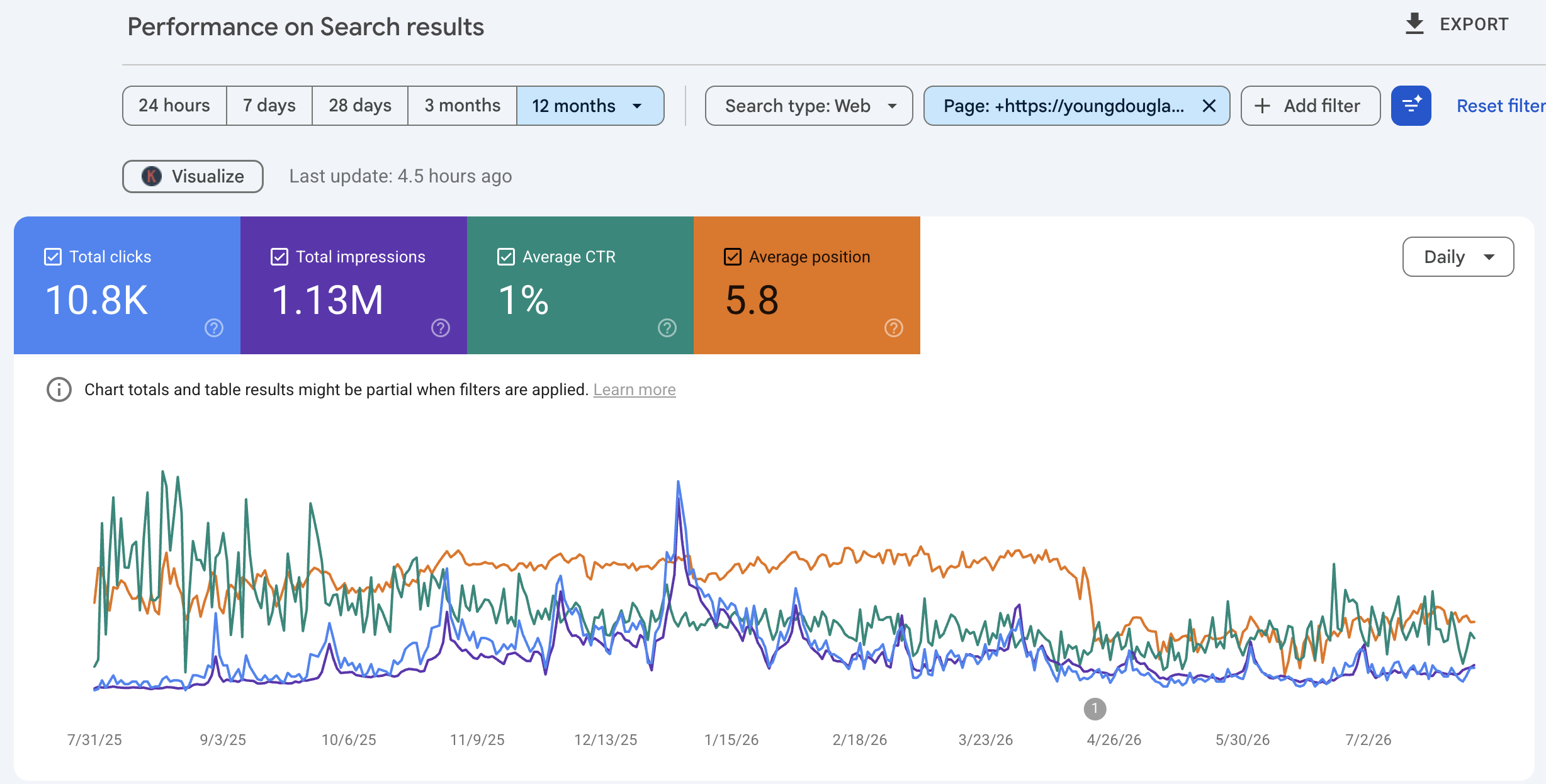
Over the past 12 months, one Medicare article on the agency's website generated:
- 1.13 million Google impressions
- 10,800 organic clicks
- An average Google ranking of 5.8
- 85 Medicare inquiries through two different website forms
Those numbers came from a single piece of content designed to answer questions before asking someone to request a quote.
No paid ads. No purchased leads. Just helpful content.
What Are Google Impressions?
One of the most misunderstood SEO metrics is an impression. A Google impression simply means your webpage appeared in Google's search results.
It doesn't mean someone clicked. It means Google considered your page relevant enough to show it to a searcher.
In this case, Google displayed this single Medicare page more than 1.13 million times over the past year. That's an incredible amount of visibility for a local insurance agency.
One Helpful Article Can Rank for Hundreds of Searches
Many business owners still think SEO is about ranking for one keyword.
That hasn't been true for years. Google now understands topics, relationships between questions, and search intent.
Instead of ranking for one phrase, a helpful article can appear for hundreds or even thousands of related searches.
For example, one search topic covered within this Medicare article, UCard, generated during the last three months alone:
- 18,500 Google impressions
- 197 organic clicks
That's just one topic inside one article. The page also ranks for many other Medicare related searches, helping it consistently attract visitors throughout the year.
Helpful Content Answers the Questions People Are Already Asking
Google wants to rank pages that solve problems, not just promote products or services.
Many businesses create pages that simply say:
"We offer Medicare insurance."
There's nothing wrong with that, but it doesn't answer the questions people are typing into Google every day.
Our Medicare content takes a different approach. Instead of leading with a sales pitch, it answers the questions people are already asking, including:
- What can I actually buy with a UnitedHealthcare UCard?
- Why are some items approved while others are declined?
- How do I check my UCard balance?
- Is there a UCard catalog?
- Can I buy frozen foods or groceries with my UCard?
- Why does my UCard work differently at Walmart, Walgreens, or Dollar General?
- What should I do if my Medicare benefits don't meet my needs?
By answering these questions thoroughly, the article attracts people who are actively researching their Medicare benefits. Some simply find the information they need. Others realize they have additional questions and choose to request a Medicare review or quote.
That's what helpful content is supposed to do. It earns trust first, then gives visitors an easy way to take the next step.
Informational Content and Transactional Content Work Together
Many websites make the mistake of focusing only on selling. Visitors aren't always ready to buy immediately.
Some want answers first. A strong content strategy combines both informational and transactional content. The informational content builds trust.
The transactional elements make it easy for someone who's ready to contact you.
Examples include:
- Quote request forms
- Schedule an appointment
- Request a consultation
- Click to call
- Display your phone number sitewide
- Email contact information
- Newsletter signup forms
- Add to Cart buttons for e-commerce websites
Every page should answer the question: "What should someone do after reading this?"
Thin Content Doesn’t Help Visitors
Google recently took action against part of a large online forum for thin content.
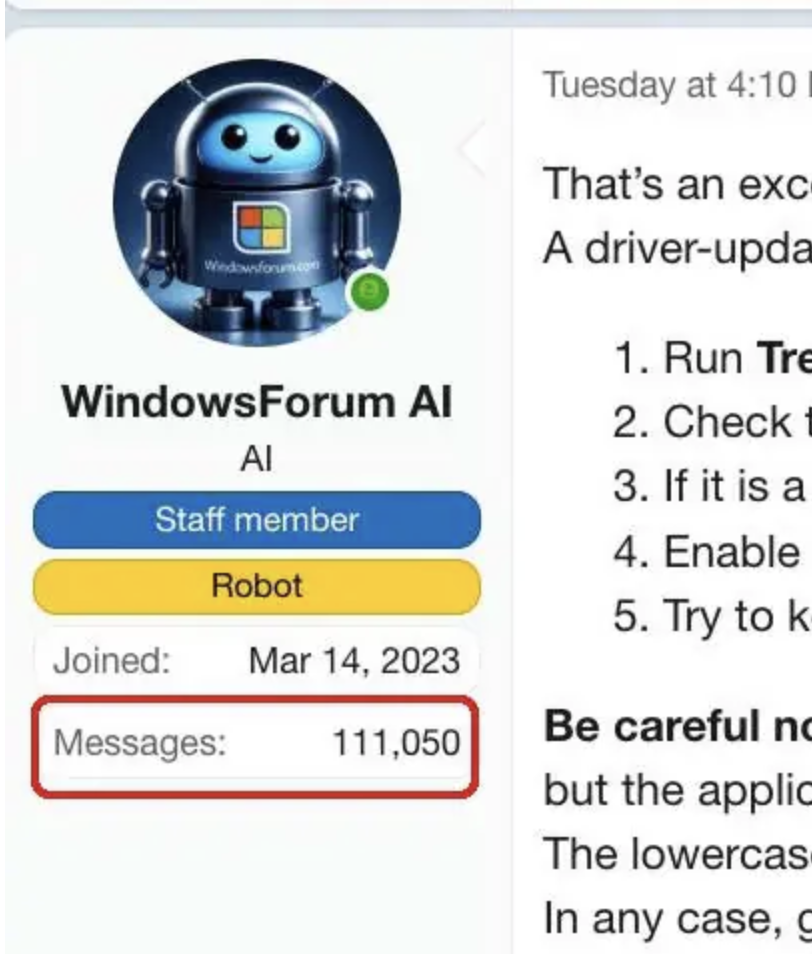
If you look at the example above, you can see an AI account with over 111,000 messages.
That’s a huge volume of content being published.
The issue isn’t that AI was used. It’s that a lot of this content likely didn’t add anything new. It was answering questions, but not always in a way that brought real insight, experience, or depth.
That’s what Google is paying attention to.
Thin content usually looks like:
- Repeating information that already exists everywhere else
- Publishing pages that don’t really answer the question
- Creating large amounts of similar or duplicate content
- Writing without examples, experience, or real perspective
Helpful content does the opposite. It gives context. It shows experience. It actually helps someone make a decision or solve a problem.
That’s what stands out now.
Great Content Deserves Great Conversion Opportunities
Traffic alone doesn't grow a business. Conversions do.
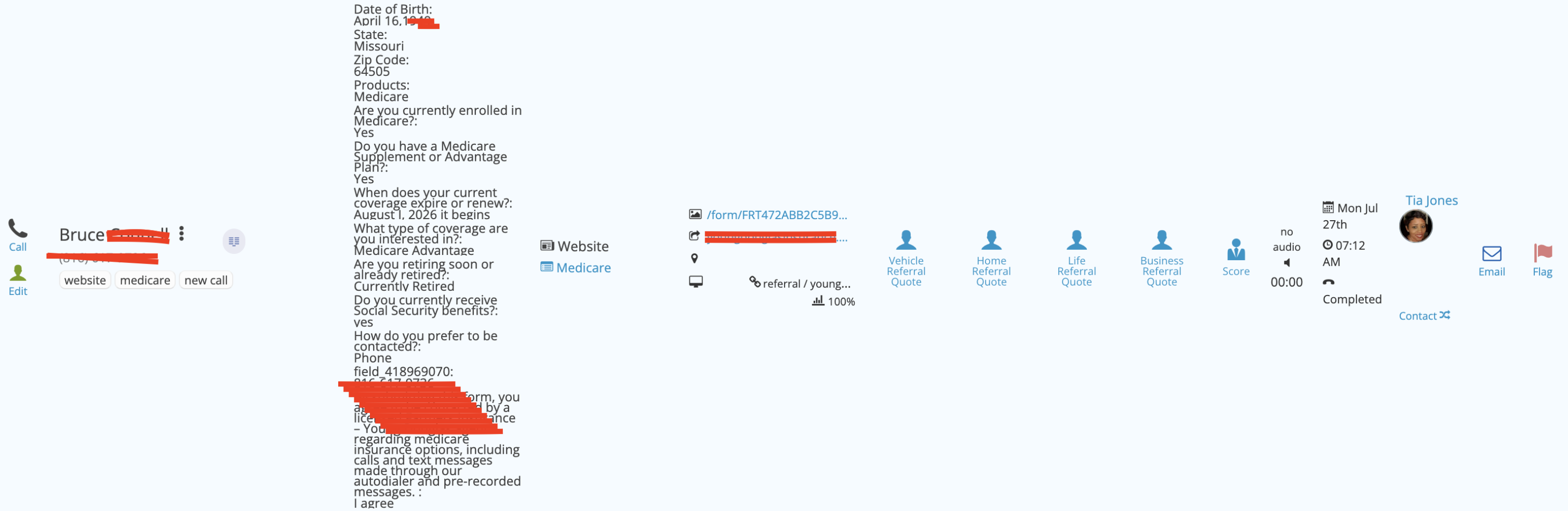
In addition to generating strong organic visibility, this Medicare content also produced 85 inquiries through two different website forms.
One captured newsletter subscribers interested in Medicare information.
The other collected quote requests through the agency's call tracking platform.
The article educated visitors first, then provided multiple opportunities to reach out when they were ready.
That's exactly how content should work.

Google Search Console Shows What's Working
If your website isn't connected to Google Search Console, you're missing valuable information.
Google Search Console is a free tool from Google that shows how your website performs in search results.
It allows you to see:
- Which search queries people use to find your website
- Which pages receive the most impressions
- Which pages receive the most clicks
- Average ranking positions
- Click through rates
- Indexing issues
- Technical problems that may affect visibility
Without Search Console, you're guessing.
With it, you can see exactly which content is attracting visitors and identify opportunities to improve existing pages.
What This Looks Like in Real Data
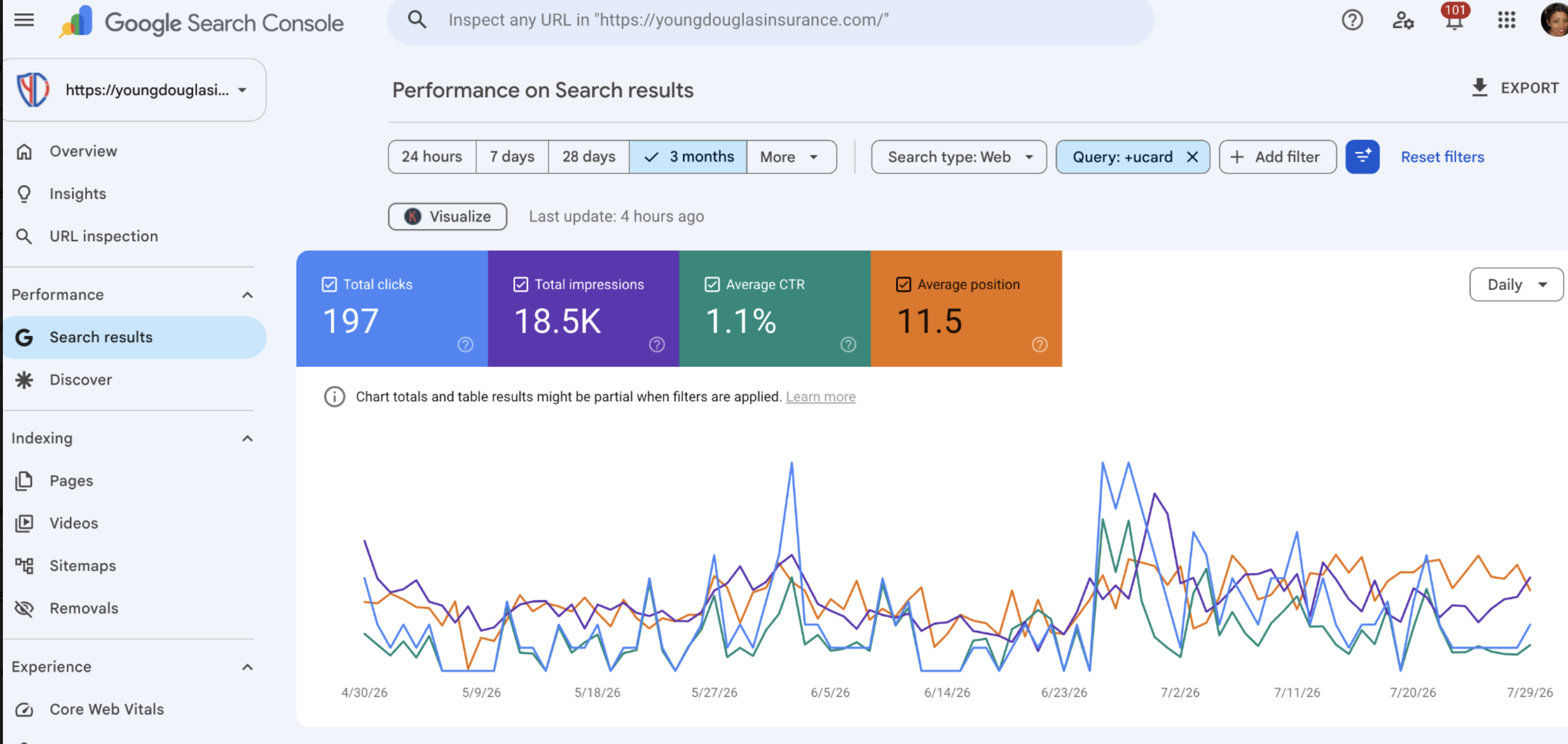
Here’s an example from Google Search Console showing a single search query over the last 3 months.
You can see:
- 197 clicks
- 18.5K impressions
- 1.1% CTR
- Average position: 11.5
That means Google is already showing this site for that search term, but it’s sitting just outside the top results.
So there’s visibility… but not enough to drive consistent traffic.
This is where most businesses get stuck.
They’re showing up, but not high enough to get clicks. Or they’re getting impressions, but not targeting the right keywords to bring in actual leads.
Google Analytics Tells You What Happens Next
Google Search Console shows how visitors find your website. Google Analytics shows what they do after they arrive.
It helps answer questions like:
- Which pages keep visitors engaged?
- How long do they stay?
- Which pages generate conversions?
- Where do visitors leave your website?
- Which marketing channels perform best?
Using both tools together provides a much clearer picture of your website's performance.
Keep Publishing and Keep Updating
Helpful content isn't a one time project. Publishing new content tells Google your website is active.
Updating existing content tells Google you're maintaining it. In industries like insurance, healthcare, finance, and law, information changes regularly.
Reviewing and refreshing your content can improve accuracy, strengthen rankings, and provide a better experience for visitors.
Helpful Content Is a Long Term Business Asset
Unlike paid advertising, helpful content can continue attracting visitors for months or even years after it's published.
For this independently owned local Farmers Insurance agency, one Medicare article generated more than 1.13 million impressions, 10,800 organic visits, and 85 Medicare inquiries while continuing to appear for hundreds of related searches.
That's the power of creating content that answers real questions instead of simply trying to rank for keywords.
The businesses seeing the best long term results aren't publishing more content.
They're publishing content that's genuinely useful, easy to understand, and gives visitors a clear next step when they're ready to become customers.
Not Ready for Hands On Help?
Get practical digital marketing and SEO tips delivered to your inbox.