How Small Businesses Can Build Visibility on Google and AI Search Without a Big PR Budget
Sep 30, 2026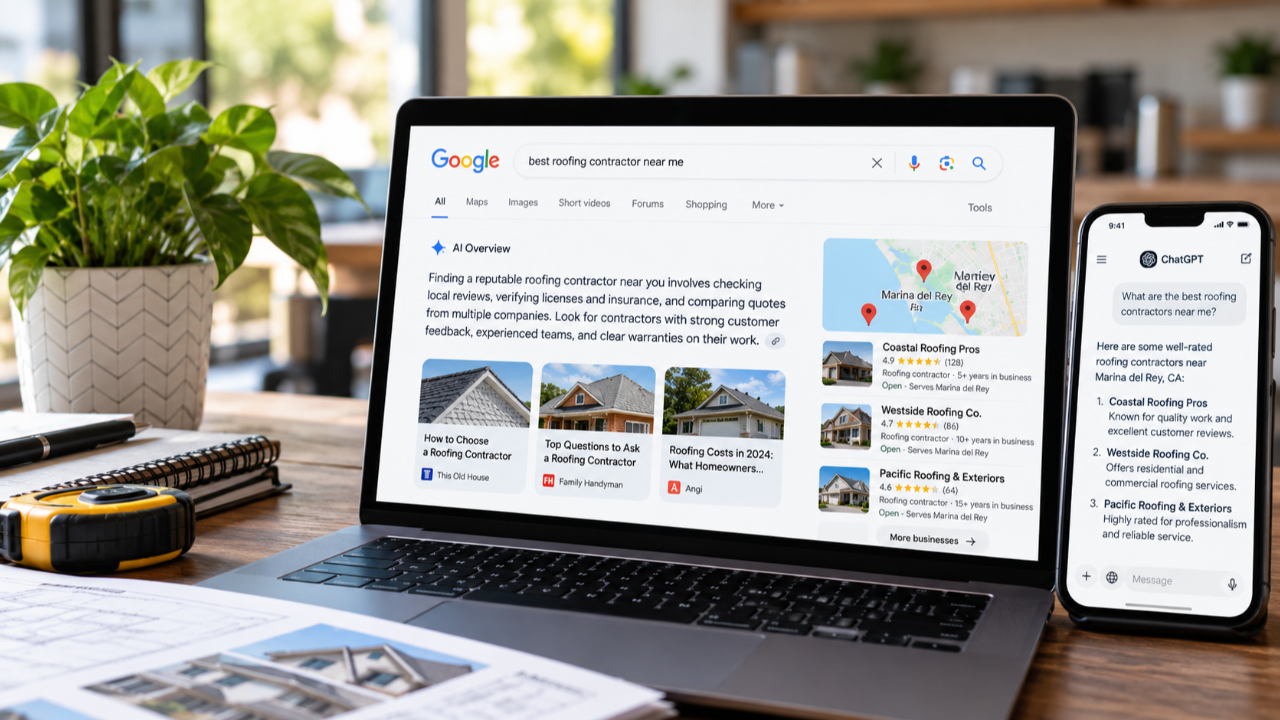
You don't need a national PR campaign to get your business noticed. But you do need more than a website and a few blog posts.
For years, small business owners have been told they need a website, search engine optimization (SEO), social media, and a steady stream of content to attract customers online.
Now there's something else to think about: artificial intelligence.
With people using tools like ChatGPT, Google's AI search features, and other AI-powered platforms to research products, compare services, and find businesses, the conversation around online visibility is changing.
Business owners are being told they need more brand mentions, more backlinks, more media coverage, and more authority if they want to be discovered.
But here's the question I think deserves more attention:
How is a small business supposed to compete when it doesn't have the budget or resources to run a large digital PR campaign?
The answer isn't to compete with national brands on their terms. It's to build credibility and visibility within your own market, using resources and opportunities that are already available to you.
Your Website Shouldn't Be the Only Place People Can Find Your Business
Having a website is important. It gives potential customers a place to learn about your services, see your work, read customer testimonials, and contact you. But think about how people actually research businesses.
Someone looking for a roofing contractor might search Google, read customer reviews, visit a local business directory, ask for recommendations in a community group, or use ChatGPT to research roofing companies.
Someone looking for a business consultant might discover that person through a podcast interview, an industry article, a referral, or professional networking communities like LinkedIn and Alignable, where business owners share their expertise, participate in discussions, and build relationships with potential clients and referral partners.
Your website is one part of that discovery process. The more credible places your business appears, the more opportunities people have to find you, learn about you, and develop confidence in what you offer.
That doesn't mean your business needs to be mentioned everywhere. It means being visible in places that are relevant to your customers and industry.
You Don't Need a Large Digital PR Budget to Build Authority
When people hear the term digital PR, they often imagine expensive agencies, national publications, major media interviews, and large promotional campaigns. Those opportunities can be valuable, but they aren't the only ways to establish credibility.
A local contractor, independent consultant, or small ecommerce business doesn't need to compete with a national company for mentions in major publications.
You can start much closer to home.
1. Build Relationships With Other Businesses
Think about businesses that serve the same customers you do without directly competing with you.
- A general contractor might build relationships with interior designers, real estate agents, home inspectors, and property managers.
- A financial consultant might collaborate with accountants, business attorneys, or insurance professionals.
- An ecommerce business selling skincare products might partner with estheticians, beauty professionals, or relevant content creators.
These relationships can lead to referrals, collaborative content, interviews, website mentions, and opportunities to introduce your business to new audiences.
And unlike paid advertising, a good business relationship can continue producing opportunities long after the initial introduction.
2. Make Customer Reviews Part of Your Marketing Strategy
Customer reviews aren't just something you collect when you remember to ask. They can help prospective customers evaluate your business and can contribute to your visibility on platforms like Google.
For local businesses, maintaining an accurate Google Business Profile and earning genuine customer reviews should be an ongoing activity.
Ask satisfied customers to share their experiences. Respond professionally to reviews. Keep your business information accurate.
Don't purchase reviews or offer incentives in exchange for positive ratings. And don't underestimate how valuable a detailed review can be.
A customer explaining how your company solved a specific problem often provides more useful information than a generic five-star rating.
3. Look for Opportunities to Be Featured or Interviewed
You don't have to appear in Forbes or The Wall Street Journal to establish yourself as someone knowledgeable in your industry.
There are local publications, industry blogs, community newsletters, podcasts, YouTube channels, professional associations, and business networking groups looking for interesting people and useful information.
Don't overlook LinkedIn either. Connect with established industry professionals, influential content creators, and people who have built large, engaged audiences. Participate in their conversations, contribute useful insights, and look for opportunities to collaborate, be interviewed, or share your expertise with their audiences.
Many podcast hosts, YouTube creators, and newsletter publishers are constantly looking for knowledgeable guests and fresh perspectives. You don't necessarily need a large following to get their attention. You need something valuable to contribute.
You don't always have to build an audience from scratch. Sometimes, the opportunity is getting your expertise in front of an audience someone else has already built.
- If you're an HVAC contractor, perhaps you can share tips about preparing air conditioning systems for summer.
- If you're a business consultant, you might discuss common financial or operational mistakes small businesses make.
- If you sell products online, you could explain how to choose the right product for a particular need.
You already have knowledge that other people may find valuable. The opportunity is getting that knowledge in front of the right audience.
Not every interview or mention will improve your Google rankings or lead to an AI citation. But relevant coverage can introduce your business to potential customers and create additional ways for people to discover your expertise.
4. Publish Content That Actually Helps People
This is where I see many businesses getting frustrated.
They publish a few blog posts, update their website, share some social media content, and expect immediate results. When those results don't appear, they stop. But publishing content is not the same as building visibility.
Your content needs to answer questions people are asking, address problems they're experiencing, and demonstrate that you understand your industry.
For example:
-
A plumbing contractor could explain why water pressure suddenly drops and when to call a professional.
-
A marketing consultant could explain why a business website gets visitors but few inquiries.
-
An e-commerce business could publish detailed product comparisons, buying advice, and answers to customer questions.
Here's a real example from a business participating in Mastering P.o.P's ongoing digital marketing and SEO coaching program.
Farmers Insurance - Young Douglas Insurance offers auto, home, business, life, and other insurance products. One of the audiences the company serves is contractors, including plumbers, electricians, and HVAC professionals.
But instead of publishing content exclusively about insurance policies and coverage, the company also creates educational articles relevant to contractors and the customers who hire them.
Some examples include:
-
Why Electricians Are Earning Less Compared to the Average Worker
-
Why Most Plumbers Charge a Service Fee and Why It Makes Sense
Notice something about these topics? They're not directly selling insurance.
They're answering questions that plumbers, electricians, HVAC professionals, homeowners, and people considering careers in the trades might be searching for.
That's intentional.
The company wants to reach contractors who may eventually need business insurance, but it also wants to provide useful information to the people who hire those contractors.
This approach creates opportunities to reach a broader audience through search, introduce readers to the company, and build familiarity with its brand.
It doesn't mean everyone who reads an article about air conditioning will purchase insurance. And it doesn't guarantee that every article will rank on Google.
The strategy is to create useful content around the interests, questions, and problems of the audiences the business wants to reach, rather than making every article a sales pitch.
That's something almost any small business can do.
And when you publish something useful, don't leave it sitting on your website waiting to be discovered. Share it with your email subscribers, professional network, relevant communities, and business partners where appropriate.
Give your content opportunities to reach people.
You don't need to publish something every day. One useful, well-researched article that answers a real customer question can be more valuable than ten generic articles written simply to fill your blog.
But creating helpful content is only part of the process. Once you publish it, don't just leave it sitting on your website waiting for people to discover it.
Share it with your email subscribers, LinkedIn connections, professional networking groups, relevant online communities, and business partners. Look for opportunities to reference it in conversations, newsletters, and other content.
The more opportunities you create for the right people to discover your content, the more value you can potentially get from the work you've already done.
What About Showing Up in ChatGPT and Google's AI Search Results?
This is where business owners need to be careful about the advice they're hearing.
There's growing interest in getting businesses recommended or mentioned by AI tools.
You may hear marketers talk about AI visibility, answer engine optimization (AEO), or generative engine optimization (GEO). But there is no single formula that guarantees your business will be recommended by ChatGPT or appear in Google's AI-generated answers.
Google uses numerous systems to evaluate and rank content. AI search products also differ in how they retrieve, cite, and summarize information. And not every AI response is based on a live search of the web.
Getting mentioned on multiple websites may create more opportunities for discovery, but mentions alone don't guarantee recommendations. The quality, relevance, accuracy, and accessibility of information about your business all deserve attention.
For small businesses, I would focus on building a credible online presence rather than chasing promises that someone can make AI recommend your company.
That means having a website with clear information about your services, publishing useful content, maintaining accurate business profiles, earning genuine reviews, and developing relationships that lead to relevant mentions.
Those activities have value even when an AI platform doesn't mention your business.
Be Careful With Content That Claims You're Better Than Every Competitor
Another strategy being discussed involves publishing comparison articles that position your product or service as better than competing options.
Comparison content can be helpful. People regularly search for information about pricing, features, service differences, and alternatives before making a purchase. But there's a difference between helping customers compare their options and simply declaring yourself the winner.
If you're going to compare your business with competitors, support your claims with accurate information. Explain what makes your services different. Be transparent about pricing where possible. Share examples of your work, customer experiences, and measurable results.
And acknowledge situations where another option might be a better fit.
Credibility is built by giving people information they can trust, not by repeatedly telling them you're the best.
Consistency Matters, but There's No Universal Timeline
One of the most frustrating things about marketing is that results don't always happen as quickly as business owners expect.
- You might publish an article this week and receive little traffic.
- You might participate in networking groups for several months before receiving a referral.
- You might update your website and discover that it takes time for search engines to crawl, index, and evaluate the changes.
That's normal, but it doesn't mean you should keep doing the same things indefinitely without evaluating the results.
Some marketers suggest that building substantial online authority requires 12 to 18 months of consistent effort.
That may be realistic for certain businesses and competitive industries, but it's not a universal timeline. Results depend on your industry, competition, existing reputation, website condition, content quality, and marketing activities.
A local service provider operating in a smaller market may see improvements sooner than a new ecommerce business competing against established national brands.
The important thing is to measure progress and adjust your strategy.
- Are more people finding your website through search?
- Are your important pages appearing in Google Search Console?
- Are visitors contacting you?
- Are you earning more customer reviews, relevant referrals, or mentions?
- Are the keywords you're targeting beginning to generate impressions and clicks?
These are the types of questions you should be asking.
Consistency without measurement can become months of effort with no clear understanding of what's working.
A Practical Starting Point for Small Businesses
If you're a small business owner trying to improve your online visibility without spending thousands of dollars, start with what you can realistically manage.
First, take a look at your existing online presence.
Search for your business name. Review your website, business listings, customer reviews, and information appearing across other websites.
You can also use AI search tools to research your business or industry, keeping in mind that responses can vary and may not reflect everything available online.
Next, identify the questions your customers are asking.
These are potential topics for blog posts, videos, frequently asked questions, and educational social media content.
Then, identify opportunities to build relationships and gain relevant exposure.
Join professional groups, connect with complementary businesses, participate in interviews, and contribute useful information to communities where your customers or referral partners spend time.
Finally, track your results.
Use tools such as Google Search Console to understand how your website performs in Google Search. Monitor the keywords that matter to your business, review your website traffic, and pay attention to where inquiries are coming from.
You don't need to do everything at once.
Choose a few activities you can maintain consistently and build from there.
Stop Trying to Be Everywhere. Start Being Visible Where It Counts.
Small businesses have something that large corporations don't always have: the ability to build personal relationships within their communities and industries.
You can get to know your customers. You can collaborate directly with other business owners. You can answer questions based on real experience. You can become a familiar and trusted resource in your market.
Those are strengths worth developing.
Your goal shouldn't be to convince Google or ChatGPT that you're the best business in the world. Your goal should be to make it easier for the right customers to discover your business, understand what you offer, and feel confident contacting you.
That takes a combination of a well-structured website, helpful content, credible mentions, genuine customer experiences, relationship building, and ongoing measurement. And you don't need a national PR budget to get started.
Are You Marketing Your Business or Just Hoping People Find It?
At Mastering P.o.P, we help small business owners understand digital marketing, SEO, keyword tracking, website visibility, and practical ways to promote their businesses online.
Our goal is to help you understand what you're doing, why you're doing it, and how to measure the results, without feeling like you need an expensive marketing agency to make progress.
Explore our digital marketing and SEO services and start building a more informed marketing strategy for your business.